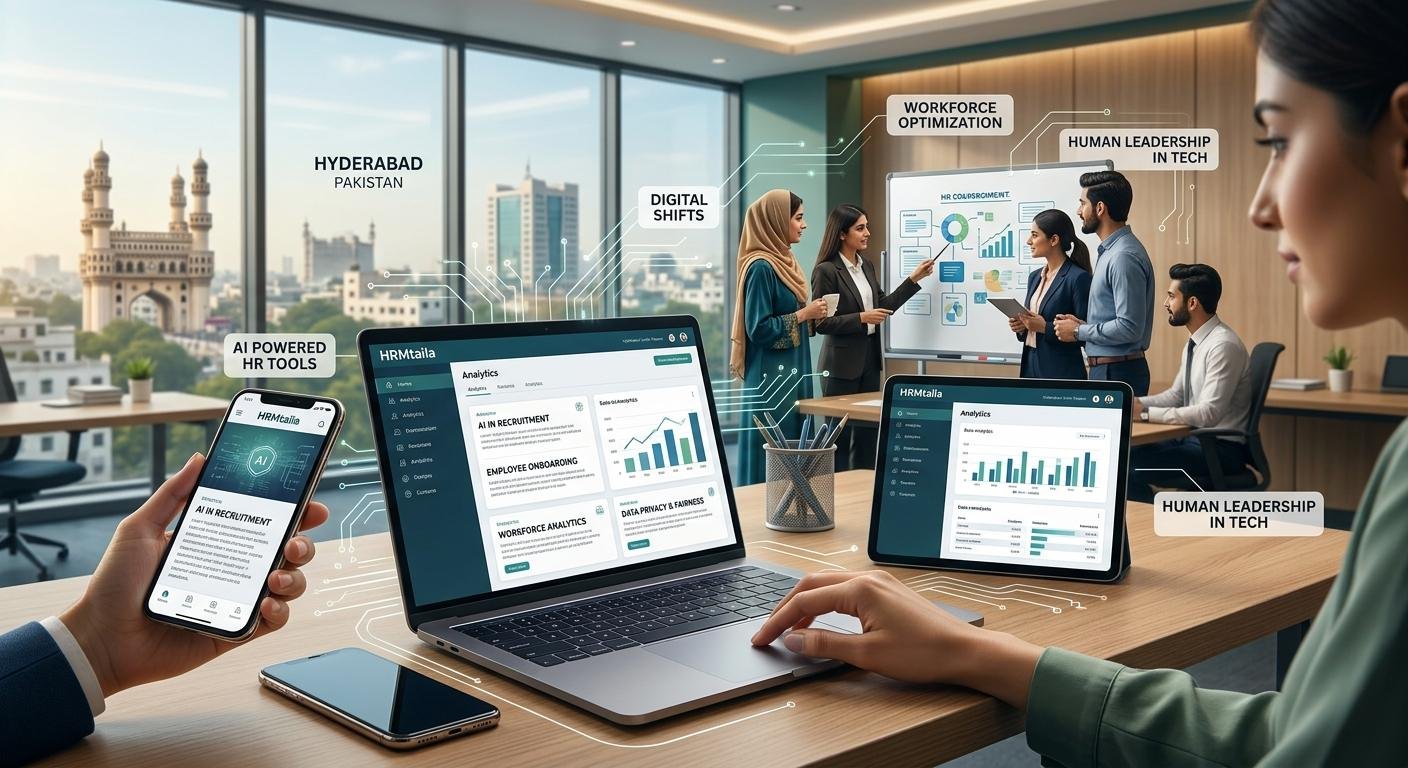
The internet is filled with unique and emerging terms that catch people’s interest. Every few months, fresh keywords spark conversations across technology forums and digital blogs. That is exactly what happened recently with HRMtaila. Many business owners, managers, and curiosity-seekers encounter this exact phrase when reading about modern digital tools.
When people look up HRMtaila today, they often wonder about its background. Is it a brand-new corporate software suite? Is it an AI-driven HR management system, or simply a trending online buzzword? The simple answer is that HRMtaila has become a central keyword representing the shift toward artificial intelligence in human resource management.
Understanding a concept like HRMtaila helps us see how modern workforce management is changing. A strong digital presence can completely transform how companies handle hiring, payroll, and team communication. Let us explore the complete picture behind HRMtaila and how modern HR technology operates today.
Complete Overview & Quick Details
| Feature Category | Key Details & Context |
| Core Keyword Focus | HRMtaila |
| Primary Industry Area | Human Resource Management (HRM) & AI Automation |
| Main Acronym Breakdown | “HRM” stands for Human Resource Management |
| Key Practical Applications | Candidate screening, onboarding workflows, workforce analytics |
| Primary Goal of AI HR | Reducing repetitive paperwork and administrative tasks |
| Essential Balance Needed | Responsible human oversight alongside automated software tools |
| Operational Scope | Supporting remote work, attendance tracking, and employee engagement |
What Does HRMtaila Actually Mean?
To break down HRMtaila, it helps to separate the term into parts. The first three letters, “HRM,” stand for Human Resource Management. This field focuses on hiring talent, organizing employee records, running payroll, and supporting staff needs.
The second part of the term, “taila,” is an emerging suffix that has gained attention across online discussions. While some websites discuss HRMtaila as a specific tool, tech analysts highlight that it functions primarily as an umbrella keyword. It describes a bigger movement where businesses replace paper forms with smart digital systems.
In practical everyday work, HRMtaila represents the adoption of AI-assisted workforce software. It points to a modern approach where routine administrative chores get handled by smart automation. This leaves human resource professionals with more time to focus directly on helping real people.
How Artificial Intelligence Is Changing HR Management
Artificial intelligence has completely reshaped how modern organizations operate. In traditional offices, HR staff spent dozens of hours typing employee profiles, sorting stacks of paper resumes, and managing vacation calendars manually.
When companies adopt smart technology under the HRMtaila umbrella, repetitive workload drops significantly. Artificial intelligence excels at reading through big data files, spotting helpful patterns, and sorting information rapidly.
- Faster Information Retrieval: Employees can quickly find company policies using internal search tools.
- Consistent Workflows: Software makes sure every new candidate receives standard welcome forms.
- Reduced Administrative Error: Digital records lower the risk of lost paperwork or misfiled documents.
Streamlining Recruitment and Candidate Screening
Finding the right person for a job opening takes time and effort. A single popular job posting can easily draw hundreds of job applications. Reading every single resume by hand can take weeks for a small hiring team.
This is where discussions around HRMtaila highlight major time-saving benefits. AI-powered recruiting software can scan incoming applications, check candidate skills against job descriptions, and organize candidate lists in seconds.
However, tech experts remind employers to stay involved throughout candidate screening. Automated filters can sometimes miss great candidates who have non-traditional backgrounds. Combining smart software sorting with careful human review yields the best hiring results every single time.
Simplifying Employee Onboarding Workflows
The first week at a new job sets the tone for an employee’s entire experience. When onboarding goes smoothly, new team members feel welcomed and valued from day one. But when paperwork is disorganized, new hires can feel confused and stressed.
Using smart systems associated with HRMtaila allows companies to create automated onboarding checklists. New employees receive digital packages containing tax forms, company policy handbooks, and system setup guides automatically.
Smart HR tools can even send friendly reminders when a document needs a signature. This automated structure ensures no step gets skipped. More importantly, it lets managers spend less time managing files and more time mentoring their new team members.
Instant Employee Support and AI Assistance
HR departments receive repetitive questions every week. Employees constantly reach out to ask about holiday schedules, health insurance forms, pay dates, and remote work guidelines. Answering these same questions over and over drains valuable staff energy.
Modern digital HR setups, often referenced in HRMtaila guides, incorporate AI-assisted help desks and internal chatbots. These helpful tools provide instant answers pulled directly from verified corporate handbooks.
- An employee submits a question about parental leave policy.
- The AI search tool scans approved company documents.
- The employee receives an accurate answer instantly, even outside normal office hours.
If a query involves personal details or complex situations, the system smoothly passes the chat over to a human representative.
Utilizing Workforce Analytics for Better Decisions
Data plays a massive role in modern business planning. Companies collect information about employee attendance, training course completions, turnover rates, and team growth over time.
Through the lens of HRMtaila, smart software turns scattered employee spreadsheets into clear visual charts. Business leaders can quickly see which departments are growing rapidly and which teams might need extra support.
These insights allow management to resolve small workplace challenges before they turn into major problems. For example, if data shows high turnover in a specific department, leadership can investigate work conditions and offer solutions early.
The Importance of Data Privacy and AI Fairness
While artificial intelligence offers incredible advantages, it also requires strict safeguards. Employee records contain highly personal details like home addresses, identification numbers, health records, and salary details.
Before implementing any digital platform linked to HRMtaila, organizations must double-check data security protocols. Companies should ensure that personal information is strongly encrypted and protected from unauthorized access.
Additionally, businesses must monitor AI outputs for unfair bias. Automated models learn from historic data, which means they can accidentally repeat old human errors. Maintaining strong human oversight keeps workplace processes fair, transparent, and legally sound.
HRMtaila vs. Traditional HR Management
Comparing traditional methods with modern automated HR tools reveals how much the workplace has evolved:
- Document Storage: Traditional HR relies on physical filing cabinets or static desktop folders, while HRMtaila concepts emphasize secure cloud access.
- Task Management: Traditional methods require manually tracking employee leave requests on paper, while smart software processes approvals automatically.
- Hiring Speed: Old recruitment models require hand-reading every single application, while digital tools filter and organize top matches instantly.
- Employee Access: Traditional support is limited strictly to office hours, whereas modern digital tools provide basic answers 24/7.
Best Practices Before Choosing an AI HR Tool
If your organization wants to upgrade its administrative software, avoid rushing into software purchases based purely on internet trends. Following a structured checklist helps you choose reliable software safely.
- Verify the Software Provider: Confirm the developer has documented software features, clear ownership, and verified client reviews.
- Test Data Encryption: Ensure the system fully protects sensitive employee information from external breaches.
- Keep Humans in the Loop: Make sure human professionals retain final authority over hiring, promotions, and workplace policy choices.
- Start Small: Test automated features with a small team before rolling out software across your whole company.
Keeping these practical steps in mind ensures your technology upgrades truly benefit your workforce.
Frequently Asked Questions (FAQs)
What is HRMtaila?
HRMtaila is an emerging online keyword associated with artificial intelligence, workforce automation, and human resource management digital trends.
Is HRMtaila a specific software company?
No verified public records confirm HRMtaila as an official registered software brand; it is used broadly in online articles discussing AI HR technology.
How does AI help human resource departments?
AI speeds up resume screening, organizes employee onboarding, automates leave tracking, and provides 24/7 answers to routine workplace questions.
Can AI completely replace human HR staff?
No. While smart software handles repetitive tasks, human judgment, empathy, and personal communication remain essential for employee care and big workplace decisions.
Is it safe to enter employee data into unfamiliar AI tools?
You should never upload private employee records into unverified online software. Always verify a software provider’s privacy policies and security protections first.
Why is HRMtaila trending across tech blogs today?
The term HRMtaila has caught attention due to rising curiosity surrounding how artificial intelligence can streamline corporate workforce administration.
Final Thoughts
The growing discussion around HRMtaila reflects how rapidly modern workplaces are adopting digital innovation. By letting smart tools handle time-consuming administrative work, companies can build faster, more organized, and deeply supportive environments for their staff.
However, the best workplace strategies always keep people at the center. Technology should empower HR teams, not replace the empathy, fairness, and personal care that real human leadership provides.
Have you explored AI-powered tools in your daily workplace routine? Share your thoughts and experiences with fellow readers in the comments section below!
About the Author