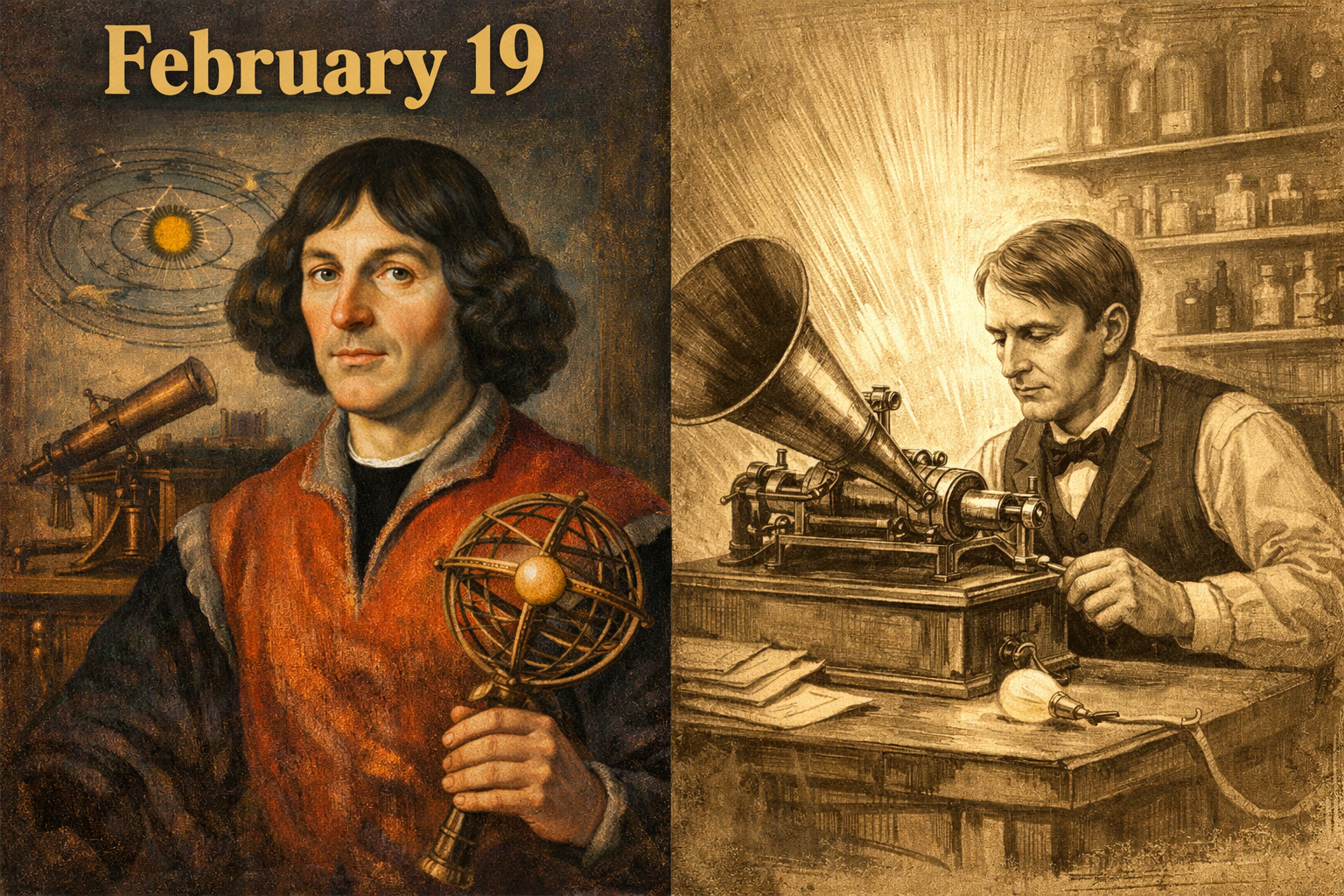
february 19
February 19 may seem like just another date on the calendar, but when you look closely, it carries a surprising amount of historical, cultural, scientific, and symbolic importance. Across centuries and continents, this day has marked turning points in politics, the arts, science, and human achievement. It is also a day of celebration in some regions and a day of remembrance in others.
In this in-depth guide, we will explore February 19 from multiple angles: its historical milestones, famous birthdays, cultural observances, astrological significance, seasonal symbolism, and even its psychological impact in the middle of winter. By the end, you will see that this single date holds layers of meaning far beyond what appears on a standard calendar.
The Historical Importance of February 19
History is shaped by moments, and February 19 has been one of those dates where events shifted the course of nations and cultures. When studying any date historically, it’s important to examine global context rather than focusing on one region. February 19 stands out precisely because of its international reach
One of the most recognized associations with is the birthday of Nicolaus Copernicus (1473), the astronomer who proposed the heliocentric model of the solar system. His revolutionary idea challenged centuries of geocentric belief and fundamentally changed how humanity understood its place in the universe. That connection alone gives February 19 a deep intellectual legacy.
In the realm of innovation, Thomas Edison received a patent for the phonograph in 1878 on February 19. This invention transformed communication and entertainment, laying the groundwork for recorded music, broadcasting, and the entire modern audio industry. The ripple effect of that moment still shapes our digital world.
On February 19, 1942, President Franklin D. Roosevelt signed Executive Order 9066, which led to the internment of Japanese Americans during World War II. This event remains a deeply significant and controversial chapter in U.S. history, reminding us how fear and war can reshape civil liberties. The day, therefore, carries both innovation and cautionary history within its legacy.
February 19 in Global Politics
Political history is rarely static, and February 19 has often served as a moment of decision or transformation. In studying global events, we notice how this date has intersected with leadership changes, military actions, and legislative milestones.
The Battle of Iwo Jima began on 1945, during World War II. This pivotal confrontation between the United States and Japan remains one of the most intense and symbolic battles in modern warfare. The iconic flag-raising photograph, captured days later, became a symbol of resilience and sacrifice.
Political decisions made on this date have also influenced domestic policy in various nations. Over the decades, parliamentary sessions, treaties, and governmental transitions have occurred on shaping regional and global dynamics. While not every year brings dramatic headlines, the cumulative effect of recurring political activity on this date gives it sustained relevance.
From revolutions to reforms, February 19 reminds us that political momentum does not wait for symbolic anniversaries. It unfolds daily, sometimes quietly, sometimes dramatically, but always with lasting impact.
Cultural and Religious Observances on February 19
Not every significant date is defined by politics or war. February 19 also carries cultural and religious meaning in various traditions. Observances tied to seasonal rhythms and spiritual calendars often give dates deeper resonance.
In some Christian traditions, is associated with saints’ feast days, depending on the liturgical calendar. These observances serve as moments of reflection and remembrance within faith communities. Even when not widely recognized outside religious circles, they shape the spiritual lives of believers.
In Japan, is sometimes celebrated as “Pro Wrestling Day,” commemorating the first professional wrestling event held in the country in 1954. This illustrates how modern culture creates its own commemorative traditions, blending entertainment and national identity.
Cultural observances often reflect what societies value. Whether honoring scientific pioneers, religious figures, or sporting milestones, February 19 becomes a mirror of collective memory.
Famous Birthdays on February 19
Birthdays give personality to a date. February 19 has produced leaders, artists, thinkers, and entertainers whose contributions shaped their fields.
In addition to Nicolaus Copernicus, marks the birth of Smokey Robinson, a legendary figure in Motown music. His songwriting and vocal style influenced generations of musicians and helped define an era of American sound.
Millie Bobby Brown, known for her breakout role in Stranger Things, was also born on this date. Her rapid rise in Hollywood demonstrates how continues to introduce influential figures into contemporary culture.
Actor Jeff Daniels shares this birthday as well, showcasing the artistic diversity linked to this day. From classical astronomy to modern entertainment, February 19 bridges centuries of talent.
Astrological Significance of February 19
Astrologically, February 19 sits at the cusp between Aquarius and Pisces. Depending on the year and exact time of birth, individuals born on this date may identify with either sign.
Aquarius is associated with innovation, independence, and forward-thinking ideas. Pisces is known for intuition, empathy, and creativity. Those born on often display a blend of both characteristics: visionary yet sensitive, analytical yet artistic.
Astrologers sometimes describe as a “cusp of sensitivity,” suggesting that people born on this date balance intellectual depth with emotional intelligence. Whether one believes in astrology or not, it is fascinating how symbolic systems attach personality narratives to specific days.
The transitional nature of this date reinforces its broader theme: February 19 often represents movement between states—winter and spring, old ideas and new paradigms, tradition and innovation.
Seasonal Context: February 19 in the Year’s Rhythm
In the Northern Hemisphere, February 19 arrives during late winter. Days are slowly growing longer, but the chill often remains. Psychologically, this period can feel transitional—people anticipate spring while still navigating winter’s heaviness.
This seasonal placement influences how is experienced. It may feel like a turning point, a moment of patience before renewal. For students and professionals, it often falls during active academic or fiscal cycles, making it a productive rather than festive day.
In the Southern Hemisphere, the date carries entirely different seasonal meaning, occurring in late summer. This contrast reminds us that calendar dates are universal markers interpreted differently depending on geography.
Seasonality adds a subtle layer of symbolism to February 19. It is a date poised between extremes.
February 19 in Science and Innovation
Scientific progress is rarely confined to a single date, yet February 19 has repeatedly intersected with discovery and invention.
Thomas Edison’s phonograph patent is one of the clearest examples. The phonograph did not simply record sound—it changed how humans preserved memory. Voices and music could suddenly outlive their original performance. This marked a turning point in how culture was archived and shared.
Copernicus’s birth also anchors in scientific revolution. His heliocentric model reshaped astronomy and inspired later thinkers like Galileo and Kepler. The courage required to challenge established doctrine demonstrates how intellectual breakthroughs often demand both evidence and bravery.
From technological patents to theoretical astronomy, February 19 aligns strongly with moments of paradigm shift.
February 19 in Modern Media and Pop Culture
In the digital age, dates gain renewed life through online trends and social media anniversaries. February 19 frequently trends on platforms when fans celebrate celebrity birthdays or commemorate historical milestones.
Streaming platforms and entertainment networks sometimes highlight movies or documentaries connected to events that occurred on this date. Educational institutions may also share historical facts, turning into a day of learning through digital storytelling.
Pop culture ensures that February 19 remains relevant across generations. It is not locked in history; it evolves with each passing year.
The Symbolic Meaning of February 19
Beyond documented events, February 19 holds symbolic value. As a date positioned near the end of winter, it represents endurance and anticipation. It is close enough to spring to sense change, yet far enough to require patience.
Symbolically, it can be interpreted as a day of intellectual awakening, given its connection to Copernicus and innovation. It also serves as a reminder of accountability, reflecting historical events that challenged civil liberties.
Dates gain symbolic power when society collectively attaches meaning to them. February 19’s symbolism blends creativity, transition, responsibility, and renewal.
Why February 19 Still Matters Today
It is easy to assume that only widely celebrated holidays matter. However, ordinary calendar dates shape daily life. February 19 matters because it reminds us that history is built incrementally.
Every year, new milestones occur on this date. Babies are born, businesses launch, discoveries are made. The date itself becomes a container for human activity.
When you pause to examine February 19, you see more than a winter day. You see scientific revolution, musical influence, political lessons, and cultural continuity.
Conclusion
February 19 is far more than a simple square on a calendar. It carries centuries of innovation, courage, artistry, and reflection. From the birth of Nicolaus Copernicus to pivotal wartime decisions and modern cultural celebrations, this date encapsulates humanity’s complexity.
Its astrological cusp symbolizes transition. Its seasonal placement suggests patience before renewal. Its historical record reminds us of both brilliance and caution.
Ultimately, February 19 matters because every date matters. Each day holds stories waiting to be understood. And when we look closely, even an ordinary winter date reveals extraordinary depth.
you may have missed
About the Author